Professional Grease Trap Cleaning for Miami Commercial Kitchens
Professional grease trap cleaning, pumping, and maintenance that keeps commercial kitchens compliant and sewer lines flowing.
How Do I Know My Grease Trap Needs Cleaning?
These are the warning signs worth checking before tree roots, grease, or scale turns into a major sewer backup emergency.
Why Does My Restaurant Drain Keep Backing Up?
Restaurant and commercial kitchen drains back up for one main reason: grease builds up in the trap faster than it is cleaned. When a grease trap exceeds 25% capacity, fats, oils, and grease (FOG) begin passing through to the sewer line, causing blockages that affect your business and the municipal system. Grease trap cleaning on a regular schedule is both a practical necessity and a Miami-Dade County compliance requirement.
How Do You Properly Clean a Grease Trap?
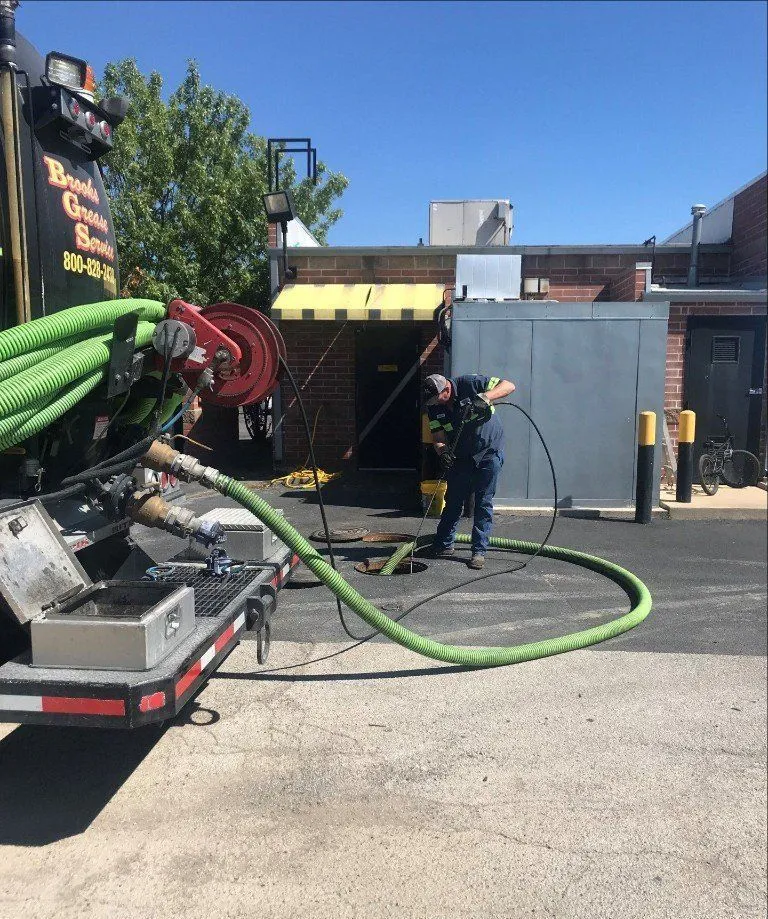
We pump out the entire contents of the grease trap — liquid, solids, and grease cap — into a licensed vacuum truck. Then we scrape and pressure-wash the trap interior, inspect baffles and fittings for damage, and document the service for your compliance records. All waste is transported to a licensed disposal facility in accordance with Miami-Dade regulations.
What Changes After Professional Cleaning?
Your grease trap is clean, compliant, and working properly. Drains flow freely, odors are eliminated, and you have documented proof of service for health department inspections. We can set up a recurring schedule so cleaning happens automatically before buildup becomes a problem.
Interior Trap vs. Exterior Interceptor — What Do I Have?
Grease Trap Cleaning for Miami Commercial Kitchens is not a one-size-fits-all fix. It starts with diagnosing the visible symptoms (such as slow drains or backup odors), then selecting the clearing or repair method that matches your pipe age, root intrusion level, and overall system condition.
- Interior Grease Trap Cleaning Under-sink and floor-level grease traps commonly found in smaller commercial kitchens. Cleaned on-site with portable equipment.
- Exterior Grease Interceptor Pumping Large in-ground interceptors serving high-volume kitchens. Require vacuum truck pumping and licensed disposal.
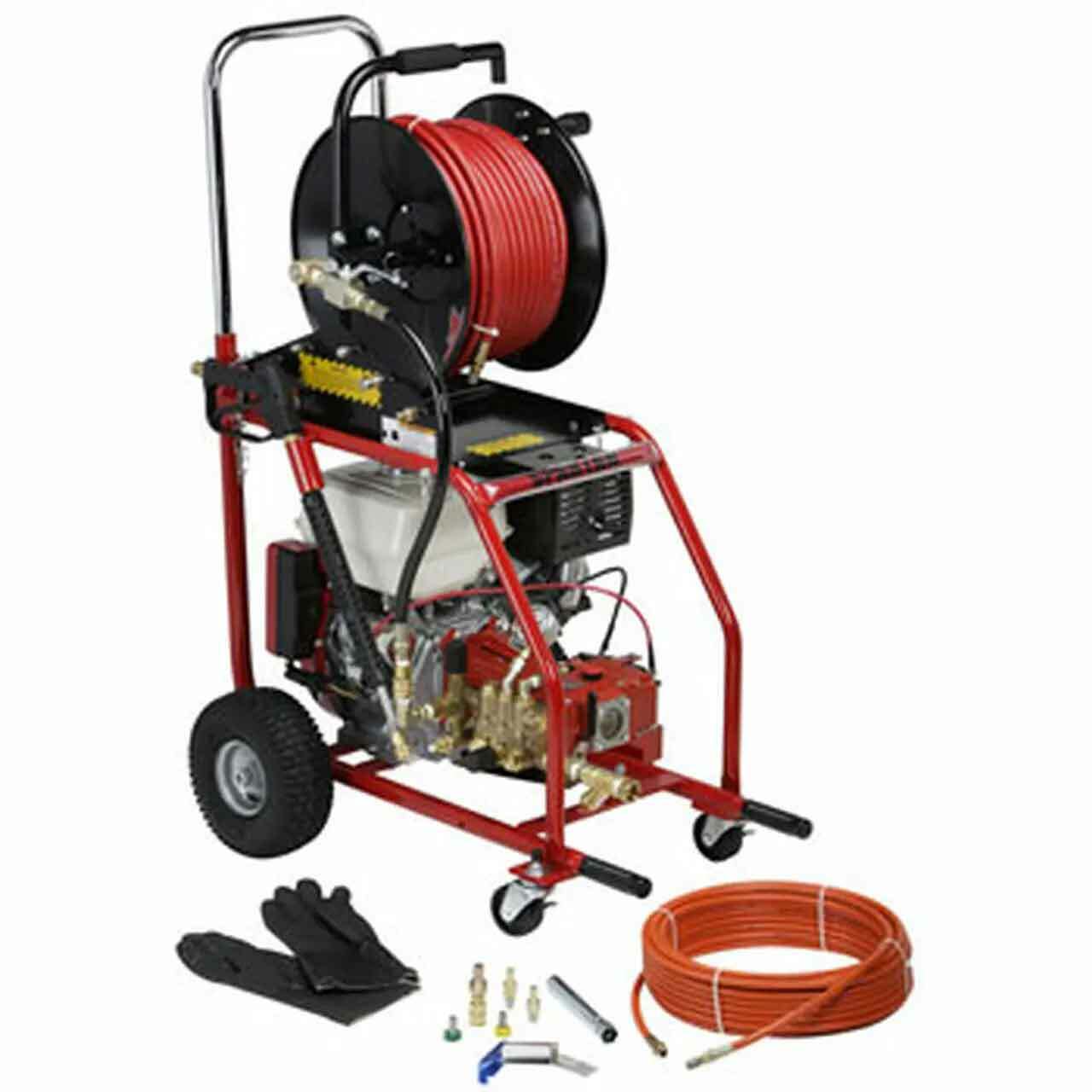
- Grease Line Jetting Hydro jetting the drain lines between kitchen fixtures and the grease trap to clear accumulated FOG buildup.
Accurate Diagnostic First
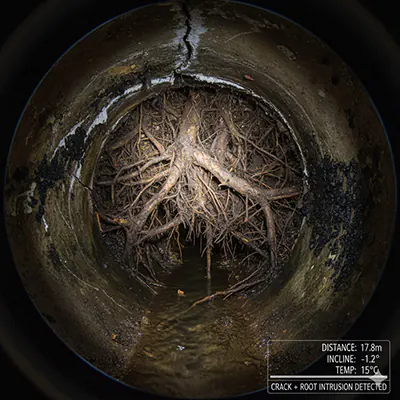
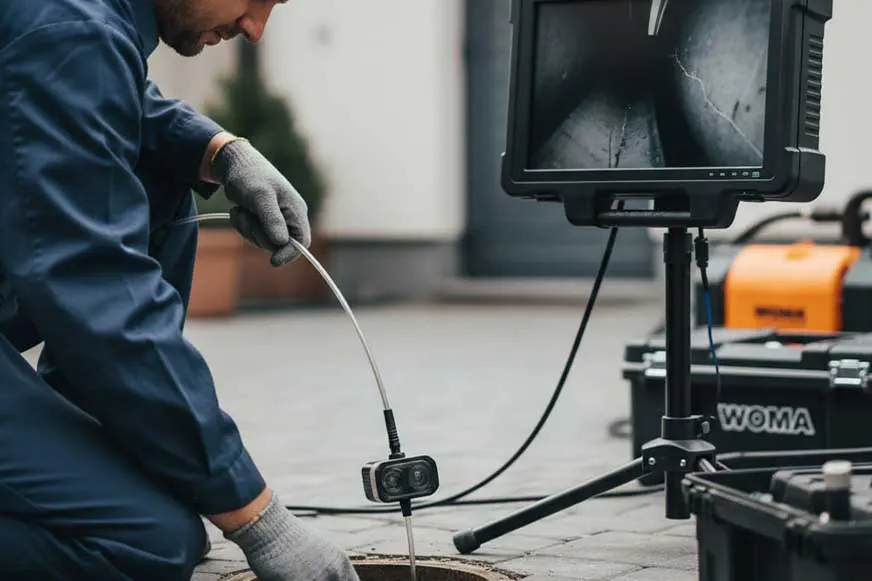
Our partner specialists use high-resolution cameras to inspect lines first so that you get the exact cleaning or repair service your system needs.
Why Is Grease Trap Compliance So Important in Miami-Dade?
Miami-Dade County enforces strict FOG discharge regulations. Commercial kitchens need documented, scheduled grease trap service to avoid fines and operational disruptions.
- Call sooner if Call immediately if kitchen drains are backing up, if a health inspection is pending, or if the trap has not been cleaned in over 90 days.
- Plan ahead if Schedule regular cleaning every 1 to 3 months based on kitchen volume.
- Avoid Waiting until the trap overflows to schedule cleaning
Miami Soil & Bedrock Conditions
Miami-Dade County enforces strict FOG (fats, oils, grease) regulations to protect the municipal sewer system. Commercial kitchens must maintain grease traps at or below 25% capacity, document all cleaning services, and use licensed haulers for waste disposal. Grease trap cleaning on a regular schedule is not optional for Miami restaurants — it is a health department requirement.
What Does the Cleaning Process Involve?
The right solution starts with inspection, not guesswork. Specialists run a camera to check pipe joints, clear the blockage using targeted jetting or cables, and verify flow is fully restored.
- Inspect Measure grease cap thickness and compare to 25% rule
- Diagnose Inspect baffles, seals, and fittings for damage or bypass
- Recommend Review cleaning records to assess whether frequency is adequate
Hydro Jetting or Mechanical Clearing
Whether clearing roots with mechanical rooters or flushing grease with hydro jetting, the goal is a complete volumetric restoration.
Why Do Miami Restaurants Choose Us for Grease Trap Cleaning?
Licensed Hauling
All grease waste transported to licensed disposal facilities in compliance with Miami-Dade regulations.
Compliance Documentation
Every service is documented with manifests and reports for health department records.
Scheduled Service
Automatic recurring cleaning so you never miss a maintenance window.
Full Kitchen Coverage
We clean interior traps, exterior interceptors, and the drain lines connecting them.
What Does the Cleaning Process Involve?
Pump & Extract
Pumping all contents — liquid, solids, and grease cap — from the trap into a vacuum truck.
Clean & Inspect
Scraping and pressure-washing the interior, inspecting baffles, seals, and fittings.
Document & Schedule
Providing compliance documentation and setting the next scheduled service date.
Interior Trap vs. Exterior Interceptor — What Do I Have?
Every recommendation is matched to the source of the problem, not just the visible symptom.
Interior Grease Trap Cleaning
Under-sink and floor-level grease traps commonly found in smaller commercial kitchens. Cleaned on-site with portable equipment.
Exterior Grease Interceptor Pumping
Large in-ground interceptors serving high-volume kitchens. Require vacuum truck pumping and licensed disposal.
Grease Line Jetting
Hydro jetting the drain lines between kitchen fixtures and the grease trap to clear accumulated FOG buildup.
What Grease Trap Mistakes Get Restaurants in Trouble?
Sewer repairs fail when the blockages are temporarily cleared but structural joint leaks, shifts, or root entry points remain unsealed.
Waiting until the trap overflows to schedule cleaning
Using chemical degreasing products that push FOG into the sewer system
Not maintaining cleaning records for health department compliance
Need help with Professional Grease Trap Cleaning for Miami Commercial Kitchens?
Contact us today for a free on-site consultation and written estimate.
Why Is Grease Trap Compliance So Important in Miami-Dade?
Miami-Dade County enforces strict FOG (fats, oils, grease) regulations to protect the municipal sewer system. Commercial kitchens must maintain grease traps at or below 25% capacity, document all cleaning services, and use licensed haulers for waste disposal. Grease trap cleaning on a regular schedule is not optional for Miami restaurants — it is a health department requirement.
Miami-Dade County enforces strict FOG discharge regulations. Commercial kitchens need documented, scheduled grease trap service to avoid fines and operational disruptions.
Grease Trap Cleaning for Miami Commercial Kitchens Service Area in Miami Neighborhoods
Service is provided across Miami ZIP areas using the same inspection-first process, so local limestone bedrock, high water table, and storm drainage conditions are considered before work begins.
Grease Trap Cleaning Questions Miami Business Owners Ask
Grease trap cleaning pricing depends on trap size, capacity, access, pumping requirements, waste volume, and service frequency. We confirm the trap details first and provide a clear quote for one-time or recurring service.
Miami-Dade County generally requires cleaning when the trap reaches 25% capacity. Most restaurants need service every 1 to 3 months depending on volume.
FOG passes through to the sewer system, causing blockages that can result in backups, fines, and potential shutdown orders from the health department.
Yes. Every service includes a manifest and documentation that satisfies Miami-Dade County health department requirements.
Yes. We create a cleaning schedule based on your kitchen volume and trap size so service happens automatically before compliance deadlines.
All waste is transported to a licensed processing facility in compliance with Miami-Dade County regulations. We provide disposal manifests for your records.